

Design Journal
Your guide to Design-Build
Expanding Your Princeton Home: A Guide to Planning a Seamless Addition
by Marc Brahaney, June 15th 2026
Princeton, NJ, with its historic charm and beautiful neighborhoods, is a fantastic place to call home. As families grow or needs change, many homeowners find themselves contemplating an addition to create more space. However, embarking on a home addition project in a town like Princeton requires careful planning to ensure the new structure not only meets your functional needs but also complements the existing architecture and adheres to local zoning regulations. The process requires a strategic partner who can navigate the complexities of local regulations while honoring the heritage of your home.
A common misconception is that the homeowner must figure out the “red tape” before hiring a professional. In reality, a high-quality design-build firm should handle the heavy lifting. When you choose the right partner, that partner will manage the following critical considerations on your behalf:
Princeton has specific zoning ordinances regarding setbacks, impervious coverage, and building height. Also, if your home is in a designated historic district, your firm will interface with the Historic Preservation Commission to ensure materials, window styles, and rooflines meet preservation standards.
Architectural Integration: Your firm’s design team will study your home’s original “DNA”—whether it’s a stone Tudor or a classic Colonial. Working with your design-builder, you can decide if you want your addition to look like it was always there or if you prefer the addition to stand in contrast to the original style of your home.
Site Engineering: From managing drainage to assessing the impact on existing mature trees (a hallmark of Princeton lots), your partner will handle the technical site constraints that influence the footprint of your addition.
Budget Alignment: Unlike a traditional architect-then-bid model, a design-build firm provides “real-time” pricing. They work with you to design a project that fits the budget you have set.
Planning and executing an addition is a marathon, not a sprint. The process typically begins with discovery and schematic design, which can take two to four months. During this time, your design-build team explores your needs, surveys the property, and creates schematic design options that meet your needs and the municipalities requirements. Most firms should then offer you a preliminary estimate so you have a better understanding of how your chosen design aligns with your budget expectations.
Once the vision and preliminary cost are set, you move into the permitting and construction documents phase. This is often the most variable stage, potentially lasting three to six months. Your firm will finalize structural engineering and technical drawings to secure building permits and, if necessary, navigate the town’s planning board or historic review process. Based on the construction documents, a final estimate will be completed.
Finally, construction begins, typically spanning four to twelve months depending on the scale. Because the design and build teams work under the same roof, construction can often start while final interior details are being ironed out, allowing for a more fluid transition from foundation work to the finishing touches. For a more detailed explanation of the design-build process, see our Timeline for a Whole Home Renovation.
Finding the Right Architectural Partner
When choosing a design-build partner, look for a portfolio that shows additions, renovations and new construction in a range of styles rather than a single signature look; this demonstrates their ability to adapt to your home’s unique character. They should offer a single-source responsibility model, meaning they answer for every nail and every permit. By choosing a partner who understands Princeton’s specific architectural language and bureaucratic landscape, you transform a potentially stressful renovation into a rewarding investment in your home’s future.
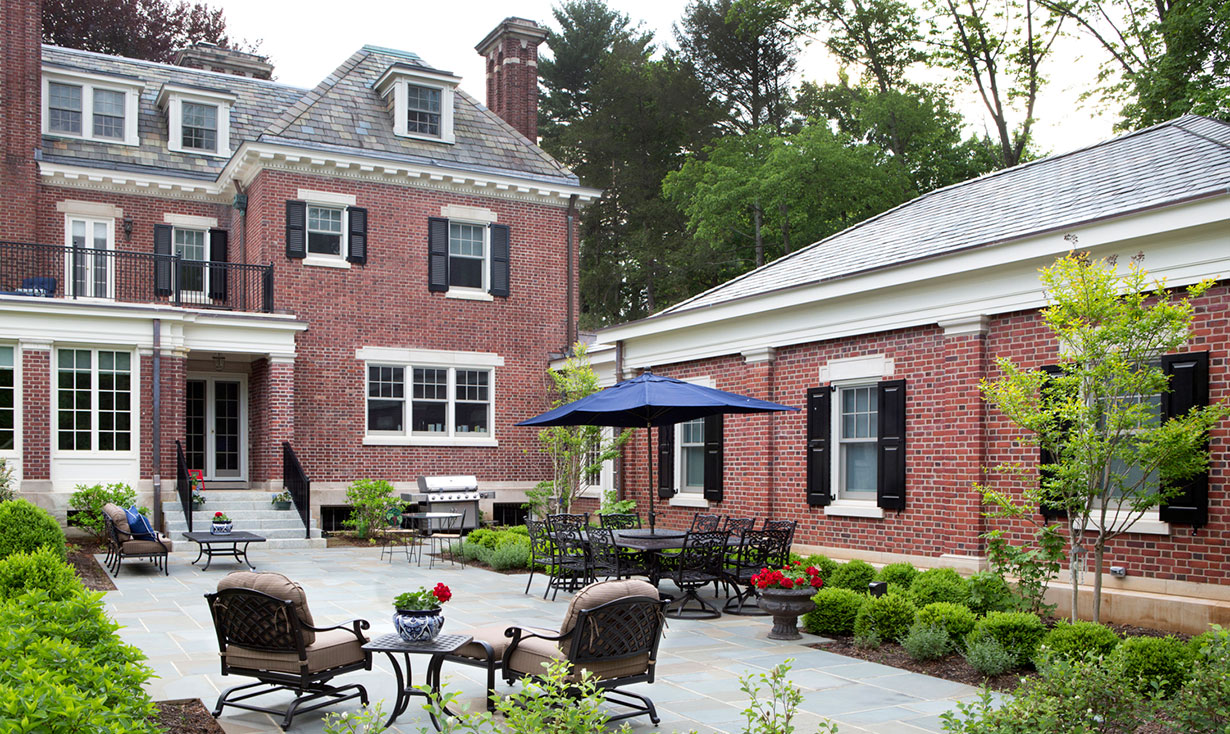
The new three-car garage and mudroom addition were designed and built by our Princeton architects and design-build team. Great efforts were made to match the original brick and limestone trim of the existing home.
View two addition projects: 1906 Historic Renovation and Sunroom & Primary Suite.
Ready to explore your options?
At Lasley Brahaney Architecture + Construction, we bring over 35 years of experience to every project, from thoughtful renovations to custom-built homes. Call us at (609) 921-2822 or send us a message to schedule a conversation about your vision.
 Cabinetry Design & Style
May 15th 2026 Kitchen Flooring
April 15th 2026 Tile Care
March 15th 2026 Countertops
February 15th 2026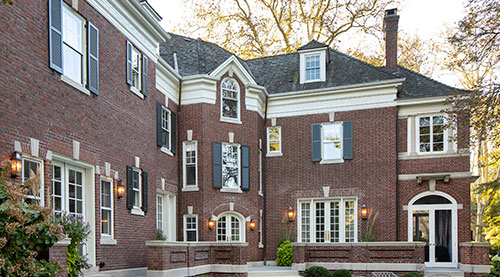 Renovation Timeline
January 15th 2026 The Lasley Brahaney Story
December 15th 2025 Finding the Fit
November 15th 2025 A More Energy-Efficient Home
October 15th 2025 Purchasing Land
September 15th 2025 Renovate, Buy or Build
August 15th 2025 How to Budget for a Home Renovation
July 15th 2025 When to Hire an Architect
June 15th 2025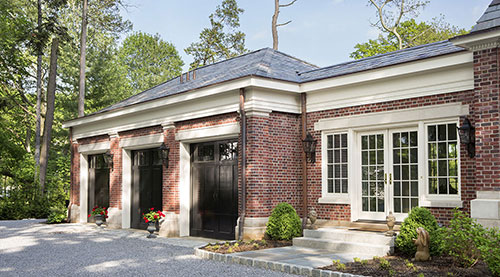 How to Choose an Architect
May 15th 2025 Why Choose Design-Build?
April 15th 2025 Surviving Construction
March 15th 2025 Aging in Place
February 15th 2025 Choosing Paint and Finishes
January 15th 2025


