

Detail-Oriented
Your guide to Design-Build
The Heart of the Home: A Guide to Cabinetry Design and Style
by Marc Brahaney, May 15th 2026
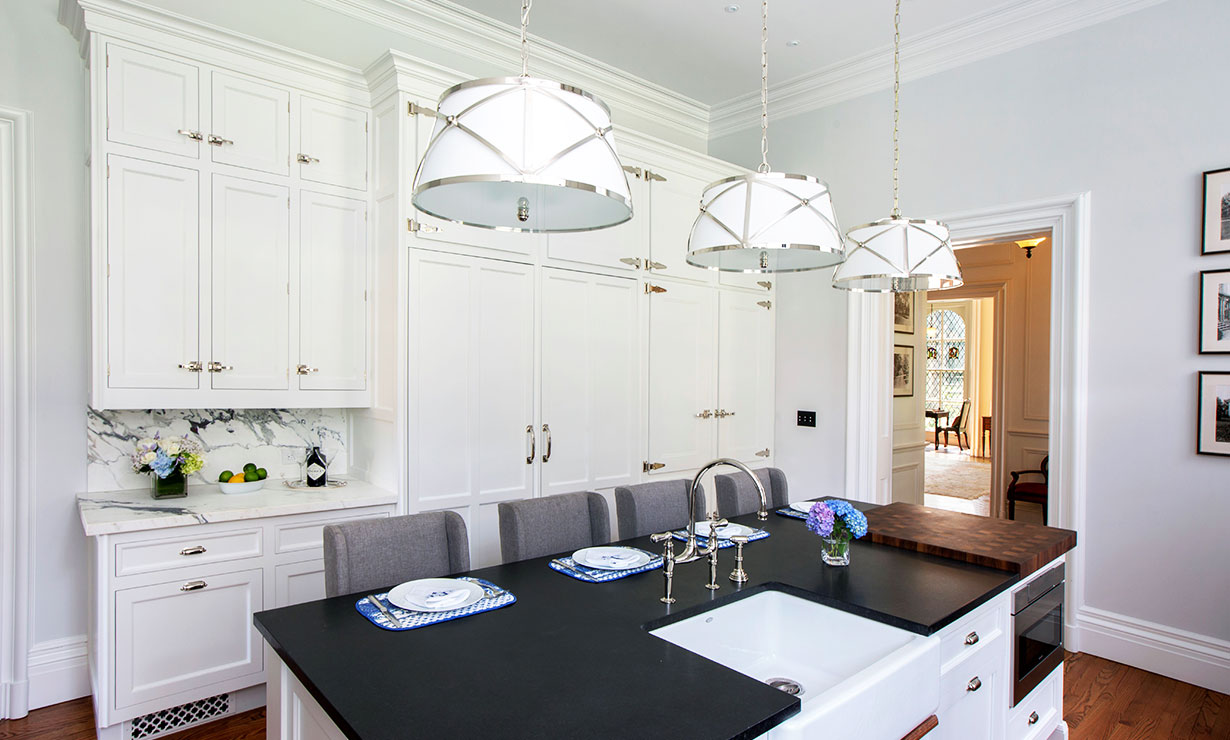
To marry modern convenience with the historic elegance of the original home, our Princeton architects collaborated with Christopher Peacock handcrafted cabinetry to create a custom-designed and well-appointed kitchen for a growing family.
When embarking on a home renovation, few elements carry as much weight—both aesthetically and financially—as your cabinetry. Whether it’s a kitchen overhaul, a primary suite vanity, or custom mudroom built-ins, your cabinets set the tone for the entire room. Choosing the right style involves more than just picking a color; it’s about balancing functionality and material durability with a design language that speaks to the rest of your home.
Understanding Cabinetry Materials
The foundation of great cabinetry lies in the "bones." Depending on your budget and the environment (like a high-moisture bathroom versus a dry pantry), different materials offer distinct advantages:
- Solid Wood: The gold standard for beauty and longevity. Species like Oak, Maple, and Cherry offer unique grain patterns. While durable, solid wood can expand and contract with humidity.
- MDF (Medium-Density Fiberboard): Ideal for painted finishes. Because it is an engineered wood, it doesn’t warp or crack like solid wood, providing a perfectly smooth surface for contemporary or transitional styles.
- Plywood: Typically used for the cabinet "box" (the interior framework). High-quality furniture-grade plywood is incredibly strong and holds screws better than particle board.
- Metal and Glass: For a modern or industrial edge, stainless steel or aluminum-framed glass doors can break up the visual weight of wood and add a touch of sophistication.
Exploring Popular Cabinet Styles
The "look" of your cabinetry is primarily defined by the door style. Here are the three heavy hitters in modern renovation:
- Shaker Style: The ultimate chameleon. Defined by a recessed center panel and clean, simple lines, Shaker cabinets fit into farmhouse, traditional, or modern homes depending on the hardware and finish.
- Slab (Flat Panel): Minimalist and sleek. These doors are a single flat piece with no profiling. They are the hallmark of Modern and Mid-Century Modern design, emphasizing the beauty of the material itself.
- Raised Panel: The traditionalist’s choice. The center panel is raised to the level of the door frame, creating depth and shadow lines. This style feels formal, timeless, and substantial.
The biggest mistake homeowners make is choosing cabinetry in a vacuum. To ensure your new built-ins feel cohesive with the rest of your renovation and our lifestyle, you may consider both custom and semi-custom cabinetry.
Custom cabinetry represents the pinnacle of personalization, where every cabinet is individually built to fit the specific size, shape, and architectural nuances of your home. With custom options, you aren't limited to a catalog; you can choose any wood species, intricate detailing, or even develop entirely unique door styles and finishes to perfectly match your original architecture.
Semi-custom cabinetry is a middle-ground option that offers a limited selection of styles and colors for a stock product. While these cabinets are produced in standard sizes, some modifications are possible—though often at a substantial additional cost. Unlike truly custom work, you generally cannot request unique colors or non-standard cabinet dimensions.
Architectural, Color and Hardware Considerations
If you are renovating a 1920s Craftsman, ultra-glossy modern slab cabinets might feel jarring. Conversely, heavy raised-panel cabinets can look out of place in a glass-walled contemporary addition. Aim to honor the "bones" of the house while modernizing the function.
Your cabinets occupy a massive amount of visual "real estate." If your renovation features cool-toned flooring and stone, look for cabinetry in crisp whites, navy, or rift-sawn oak. If your home leans toward warm, earthy tones, consider stained walnuts or creamy off-whites.
Last but not least, hardware is the jewelry of your cabinetry. To tie the room together, coordinate the finish of your knobs and pulls with other metal elements in the renovation, such as light fixtures, faucet finishes, or door handles.
The Professional Touch
While the aesthetic choices are yours, a design-build partner and/or professional interior designer is invaluable for the technical side—ensuring your layout is efficient, your drawers are soft-close, and every inch of storage is optimized.
Ready to explore your options?
At Lasley Brahaney Architecture + Construction, we bring over 35 years of experience to every project, from thoughtful renovations to custom-built homes. Call us at (609) 921-2822 or send us a message to schedule a conversation about your vision.
 Kitchen Flooring
April 15th 2026 Tile Care
March 15th 2026 Countertops
February 15th 2026 Renovation Timeline
January 15th 2026 The Lasley Brahaney Story
December 15th 2025 Finding the Fit
November 15th 2025 A More Energy-Efficient Home
October 15th 2025 Purchasing Land
September 15th 2025 Renovate, Buy or Build
August 15th 2025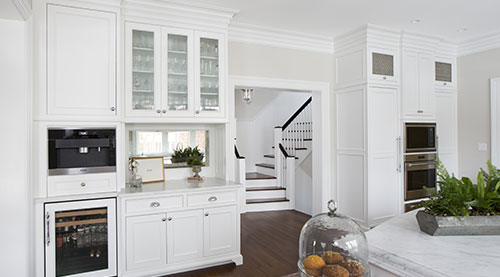 How to Budget for a Home Renovation
July 15th 2025 When to Hire an Architect
June 15th 2025 How to Choose an Architect
May 15th 2025 Why Choose Design-Build?
April 15th 2025 Surviving Construction
March 15th 2025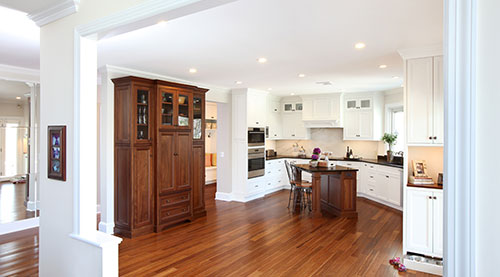 Aging in Place
February 15th 2025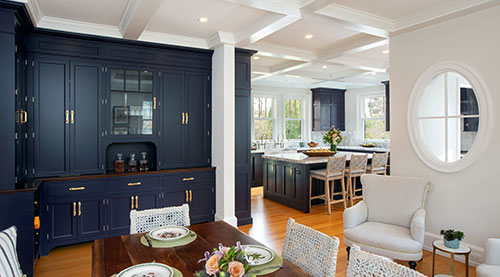 Choosing Paint and Finishes
January 15th 2025


